
"US coffee revolution"
500 article(s) found

Introduction to the taste characteristics of coffee flavor varieties in Incht Manor, Guatemala
From 1871 to 1944, the country began to devote itself to economic modernization. At the same time, the United Fruit Company, which is dominated by the United States, has also begun to buy large coffee and banana estates in Guatemala and intervene in Guatemalan politics. After the revolution in October 1944, the former dictator was overthrown, democracy and freedom of expression were implemented in Guatemala, and the first law in Guatemalan history to protect the interests of workers came into force.

Costa Rica Tarazu St. Roman processing Plant Royal Coffee freshly roasted Black Coffee beans Super Grade
The best coffee in Costa Rica seems to come from small processing plants, spread across several major coffee producing areas, including Tarazu and the western valley. This so-called coffee revolution originated 15 years ago and has greatly changed the way bean baking experts and importers think about Costa Rican coffee. Take the processing plant as the center, collect coffee beans from the surrounding small farms for processing, most of these farms are small societies

The reason why Crystal Mountain is called "the Blue Mountain of Cuba"
Following Caf é vdailycom (Wechat official account vdailycom) found that Crystal Mountain is geographically adjacent to [the Blue Mountains of Jamaica], with similar climatic conditions and taste similar to Blue Mountain Coffee, comparable to the Blue Mountains of Jamaica, so Crystal Mountain of Cuba has become the object of comparison with the Blue Mountains of Jamaica, also known as the Blue Mountains of Cuba. 1. Suitable
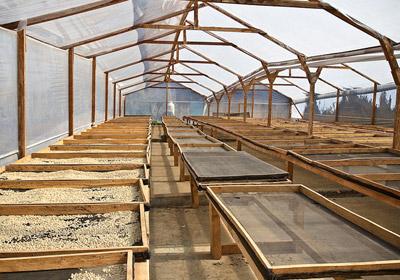
China Coffee Network recommends Royal Coffee Black Coffee from St. Roman processing Plant in Tarazu, Costa Rica.
The best coffee in Costa Rica seems to come from small processing plants, spread across several major coffee producing areas, including Tarazu and the western valley. This so-called coffee revolution originated 15 years ago and has greatly changed the way bean baking experts and importers think about Costa Rican coffee. Take the processing plant as the center, collect coffee beans from the surrounding small farms for processing, most of these farms are small societies

Introduction to the flavor and taste of high-quality coffee beans in Nicaraguan coffee producing areas
A city in southwestern Nicaragua and the capital of Karaso province. Located in the Diliamba Highlands, 760 meters above sea level. The population is 18000 (1980). Founded in 1883. Distribution and processing center of agricultural and animal husbandry products. There are limestone, salt mines and other mining industries nearby. Railway and road access to Managua since July 1927, Augusto. Cesar. Sandino leads the people in waging a guerrilla war against the US occupation.

Fragrant Nicaraguan coffee flavor taste manor boutique coffee introduction
Columbus arrived here in 1502 and reached the east coast of Nicaragua. In 1522, Spanish colonists began to conquer the region. The cities of Granada and Leon were founded in 1524. From then on, Nicaragua became a Spanish colony and came under the jurisdiction of the Governor's Office of Guatemala. The city of Leon developed into a political and cultural center; Granada became a commercial and agricultural center. In the later period of colonial rule

Introduction to the rich aroma, smooth and meticulous coffee flavor and taste of Nicaraguan Heavenly Manor
Columbus arrived here in 1502 and reached the east coast of Nicaragua. In 1522, Spanish colonists began to conquer the region. The cities of Granada and Leon were founded in 1524. From then on, Nicaragua became a Spanish colony and came under the jurisdiction of the Governor's Office of Guatemala. The city of Leon developed into a political and cultural center; Granada became a commercial and agricultural center. In the later period of colonial rule
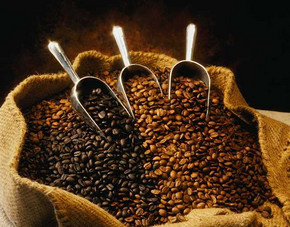
Description of climate, topography, taste and flavor of Coffee in Crystal Mountain, Cuba
Following the comment (official Wechat account vdailycom) found that the Republic of Cuba [Cuba] is one of the few socialist countries in the world (China, North Korea, Cuba, Vietnam, Laos). Cuba is the first country in the Western Hemisphere to establish diplomatic relations with China, and it is the only socialist country in the Americas. Why is it subject to sanctions?

Nicaragua Los Congo Manor Coffee Flavor description Grinding characteristics introduction to the taste of varieties in producing areas
Since July 1927, Augusto. Cesar. Sandino led the people in a guerrilla war against the US occupation, forcing the US military to withdraw in 1933. On February 21, 1934, the Commander of the Nicaraguan National Guard, Anastacio. Somocha. Garcia assassinated Sandino at the behest of US President Roosevelt. He became president in 1936 and has been pro-American for more than 40 years since then.

Variety and Flavor of Rosa Coffee
The fragrance of flowers, tropical fruits, strong sweetness; these are the feelings that Rose Summer has always given us. Properly baked, they make you feel like sipping the fragrance of a bouquet of flowers. Maybe you don't know the story of Rosa, an ancient native species from Ethiopia that was brought into a coffee experimental garden in Costa Rica as a coffee sample.

Introduction of Esmeralda Manor Coffee Flavor producing area with long-lasting Fruit sweetness and body
China Coffee net Panamanian Rose Summer grows at an altitude of 1500-1650 meters, and its unique growth environment makes it unique: dry fragrance: tea, flowers (magnolia, tulips) vanilla plants, milk, black sugar sweet, high champagne and rising aroma. Wet fragrance: apricot, caramel, milk, flower. Sipping: good oil quality, delicate Lishan special tea, astringent high-grade liquor but then turn.

Flavor of Rosa Coffee introduces Esmeralda Manor
Floral flavor editing, tropical fruit, strong sweetness; these are the feelings that Rose Summer has always given us. Properly baked, they make you feel like sipping the fragrance of a bouquet of flowers. Maybe you don't know the story of Rosa, an ancient native species from Ethiopia that was brought into the coffee seeds of Costa Rica as a coffee sample.

Where do the world's best Rosa coffee beans come from? which countries grow them?
Where do the world's best roasted coffee beans come from-which countries grow roasted ripe beans that look wrinkled. The sexy wrinkled beans are all designed to highlight their original taste and acidity, but if the quality of the raw bean itself is not high, it will produce some miscellaneous smells, such as rotten soil, grass and dry taste, which should be avoided by roasters.

A brief introduction to the Market Price of Fine Coffee Bean varieties in Joy Manor with strong aroma
It is estimated that the income from coffee exports in 1998 will be about 1.6 billion US dollars, and Nicaraguan coffee production will drop sharply. Wei Kailaizheng coffee is Nicaragua's main export product. According to the president of the Nicaraguan Coffee Farmers' Federation, due to the poor harvest of coffee in Nicaragua's Pacific region, the country's total coffee production in 1998 may be 12% lower than that in 1997 and 1998.

Introduction of Panamanian Rose Summer Coffee Bean Manor
The fragrance of flowers, tropical fruits, strong sweetness; these are the feelings that Rose Summer has always given us. Properly baked, they make you feel like sipping the fragrance of a bouquet of flowers. Maybe you don't know the story of Rosa, an ancient native species from Ethiopia that was brought into a coffee experimental garden in Costa Rica as a coffee sample.

Introduction of coffee flavor and taste of Panamanian jadeite manor coffee bean producing area
The Panamanian isthmus was originally a settlement of the Panama Canal of the Indian Ministry of Chibucha and the Caribbean. In 1501, Panama was colonized by Spain and belonged to the Governor of New Granada. [5] in 1821, Panama became independent and became part of the Republic of Greater Columbia. [5] in 1830, after the disintegration of the Republic of Great Columbia, it became the New Granada (later called Brother).

A brief introduction to the treatment method of grinding degree and baking degree of fine coffee beans in Happy Manor
In many countries, coffee production will be seriously affected for political reasons. Nicaraguan coffee industry is no exception. The 1979 revolution forced coffee planters to flee to Miami. A period of indecision followed, when the government considered whether to redistribute land (including many plantations), which led to a shortage of coffee and a decline in production since the early 1970s

A brief introduction to the treatment method of Grinding degree and Baking degree of Fine Coffee beans in Happy Manor
In many countries, coffee production will be seriously affected for political reasons. Nicaraguan coffee industry is no exception. The 1979 revolution forced coffee planters to flee to Miami. A period of indecision followed, when the government considered whether to redistribute land (including many plantations), which led to a shortage of coffee and a decline in production since the early 1970s

Introduction of Panamanian Coffee Variety, quality, Flavor and Taste Manor
The Panamanian isthmus was originally a settlement of the Panama Canal of the Indian Ministry of Chibucha and the Caribbean. In 1501, Panama was colonized by Spain and belonged to the Governor of New Granada. [5] in 1821, Panama became independent and became part of the Republic of Greater Columbia. [5] in 1830, after the disintegration of the Republic of Great Columbia, it became the New Granada (later called Brother).

A brief introduction to the planting situation of boutique coffee beans in Happy Manor with strong aroma, geography, climate and altitude
In many countries, coffee production will be seriously affected for political reasons. Nicaraguan coffee industry is no exception. The 1979 revolution forced coffee planters to flee to Miami. A period of indecision followed, when the government considered whether to redistribute land (including many plantations), which led to a shortage of coffee and a decline in production since the early 1970s